
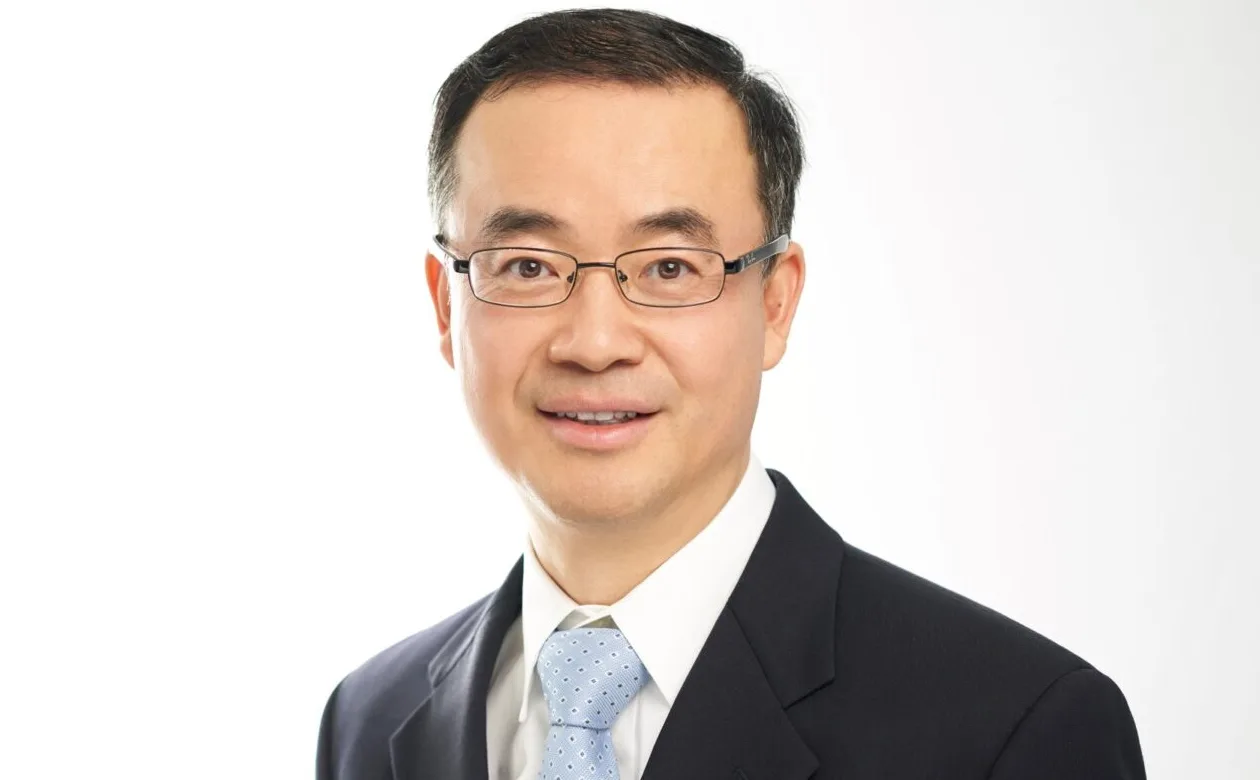
Founder and CEO of Restora Medical Inc., Quan Ni, reminisces about his time at the University of Utah’s Biomedical Engineering Department 25 years ago and how it has led him to where he is today.
How did your Biomedical Engineering education and research at the University of Utah impact your vision for your career?
I started my BME PhD program in 1994 and graduated in 2000. With a master’s degree, I took few classes in the program, but I recall Prof. Ken Horch’s instrumentation class, where he required our ECG heart rate software to account for random keystrokes. A very practical request, and still reminded me today as a biomedical engineer, we should always remember our customers. I have a great mentor in Prof. Rob MacLeod, who was interested in cardiac electrophysiology and building realistic models with experimental data. This approach of systematic thinking validated with data has served me in the last 25 years working in the medical device industry – developing therapeutic solutions for obstructive sleep apnea based on real world clinical data to refine and improve.
Plot your career development to your current point for me: Looking back, what were major determinants to put you where you are now?
After graduating, I joined Guidant Corporation, which was subsequently acquired by Boston Scientific and ranked among the leading manufacturers of cardiac pacemakers. In my role as a scientist, I initiated a project aimed at detecting obstructive sleep apnea (OSA) in patients with implanted pacemakers. This initiative enabled me to investigate OSA, a prevalent and serious disorder affecting approximately 24 million Americans with moderate to severe forms. Despite the availability of standard CPAP therapy, only 20% of affected individuals receive this treatment, and nearly half experience intolerance due to the device’s mask and pressure requirements to keep airway open. My understanding of OSA physiology and its unmet clinical needs led me to join Inspire Medical, a startup company, as the organization’s first scientist, where I contributed to the development of the first neurostimulator for OSA treatment. This innovative therapy received FDA approval in 2014 and has since been utilized in over 100,000 patients. My tenure at Inspire Medical “inspired” me to establish a new company dedicated to advancing this technology for enhanced efficacy and expanded patient accessibility.
What recommendations do you have for BME students regarding their coursework, research, presentations, or any other assets for their future employment?
BME students today have far more resources than those 30 years ago, especially for learning about physiology, pathophysiology, and clinical needs. While you don’t need to be a disease expert, developing the ability to thoroughly understand medical conditions is a key skill for biomedical engineers.
What do you value in the best quality people who work for you?
I love people who find ways to get things done – do or do not, there is no try.
What do you enjoy in your leisure time?
I play table tennis a few times a week and I like what Roger Federer said about the tennis game, no matter how good or bad the last shot, focusing on the next one.
What do the next 10 years of your career look like to you?
I want to keep doing what I love to do for as long as I can. One of them is a non-profit project, One Heart Health. We developed an AI based algorithm to detect congenital heart diseases. These are medical conditions affecting children born in low resource-parts of the world. While CHD is a part of newborn screen for every kid in America, many kids with CHD in developing countries miss the time window for screening and diagnosis to receive life saving surgeries. The One Heart Health team (onehearthealth.org) developed a low-cost solution to run an AI based algorithm on a mobile phone to detect CHD murmurs using a digital stethoscope. The project has supported CHD screening programs in China, Nigeria, Mongolia and Bolivia, helping local doctors to find children who can benefit from timely treatment.
Original article: https://www.bme.utah.edu/2025/11/18/bme-alumnus-interview-with-dr-quan-ni-co-founder-of-inspire-medical-and-current-founder-and-ceo-of-restora-medical-inc/